Our NYC trip taught me something I’m carrying into the 2026 season.
Family time away is our favorite. Right before the holidays, we snuck in a long weekend in New York City, and it reminded me of something important. Normally, we love wandering without a plan, picking a spot on the map and letting the day unfold. But last spring’s trip to NYC, that approach left us… well, frustrated. Long lines, no availability, and lots of last‑minute scrambling.
This time, we did it differently. We decided our priority was to shop local for a few meaningful holiday gifts. So, we researched ahead, made a little list, and mapped out the cutest neighborhood shops, bookstores, and even a Christmas market. With our plan tucked in our pockets, we set out. By the end of the day, our feet were tired, our arms were full of packages, we’d found a new favorite slice of NYC pizza, and our hearts were overflowing with holiday cheer. The planning paid off.
That little adventure reminded me of what’s ahead for Windy Heights Flower Farm. Just like our NYC trip, 2026 will be about planning with intention — sharing stories, tips, and seasonal joy with you.
What do flower farmers do in January? We drool over seed catalogs.
January is my time to research, plan, order, and organize seeds. I gather my catalogs, scroll through all the beautiful varieties online, and let my wish list grow a little too long. Then I take a breath, look at my planting space, check what I already have, and map out what I truly need.
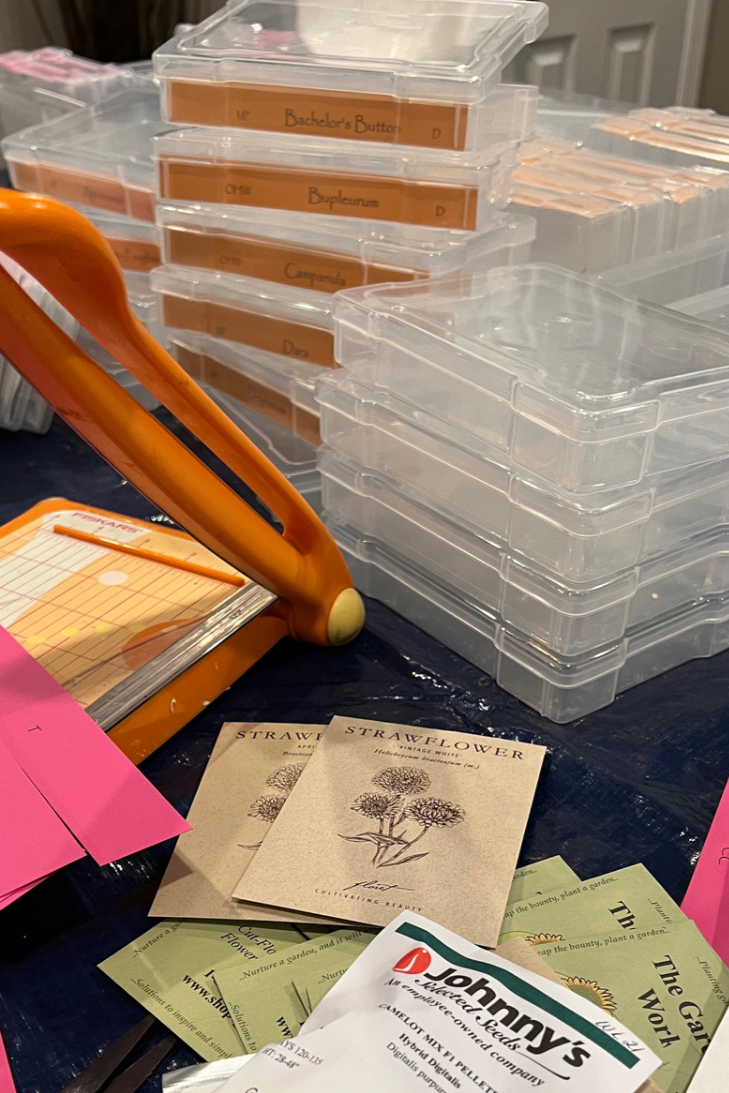
For organizing, I use photo boxes with individual containers inside. I sort seeds by planting time so it’s easy to grab my “Winter Seeds” when it’s time to start.
Inside each box, everything is alphabetized with color‑coded labels, so the seasons are easy to recognize. For each container, I jot down the flower name and whether it’s a transplant (T) or direct seed (D). Having a plan, even a simple one, makes life a little easier on the farm.
Bloom Corner What can you grow in January? Winter Sowing. Here in Ohio (Zone 6a)
Ohio ground is too cold and often snow‑covered or frozen to plant seeds outdoors. Winter sowing is the perfect way to scratch that “I need to get my hands in the dirt” itch while staying warm inside. It’s simple, fun, and a great activity with kids or grandkids.
Here are two methods I’ve had success with and some easy winter‑sow favorites for beginners include Black‑Eyed Susan, Coneflower, Shasta Daisy, and Bachelor’s Buttons.
Milk Jug Method
Use a clean gallon jug. Cut drainage holes in the bottom, then cut around the middle (leaving the handle attached as a hinge). Add 4 inches of potting soil, sprinkle your seeds, tuck a plant tag inside, and close it up with duct tape or zip ties. Leave the cap off and set it outside where it can catch snow and rain.
Ziplock Bag Method
Snip a few drainage holes in the bottom of a clean zip‑top bag. Fill two‑thirds with potting soil, sprinkle your seeds, and leave the top open. Add a plant tag inside or write on the outside with a garden marker (Sharpies fade in the weather, trust me, I know this!). Punch two holes at the top and slide a dowel rod through. Set the bags upright in a milk crate so they hang slightly open and can catch snow and rain.
Check on them weekly and water if winter is dry. In early spring, the seeds will sprout when the timing is right, nature knows what to do. Before you know it, you’ll have a bunch of seedlings ready to plant in your garden.
What flowers are you dreaming about this year? If you have any garden questions, I’m always happy to help. Thank you for being part of the winter season on our farm.
Windy Heights newsletter published January 8, 2026
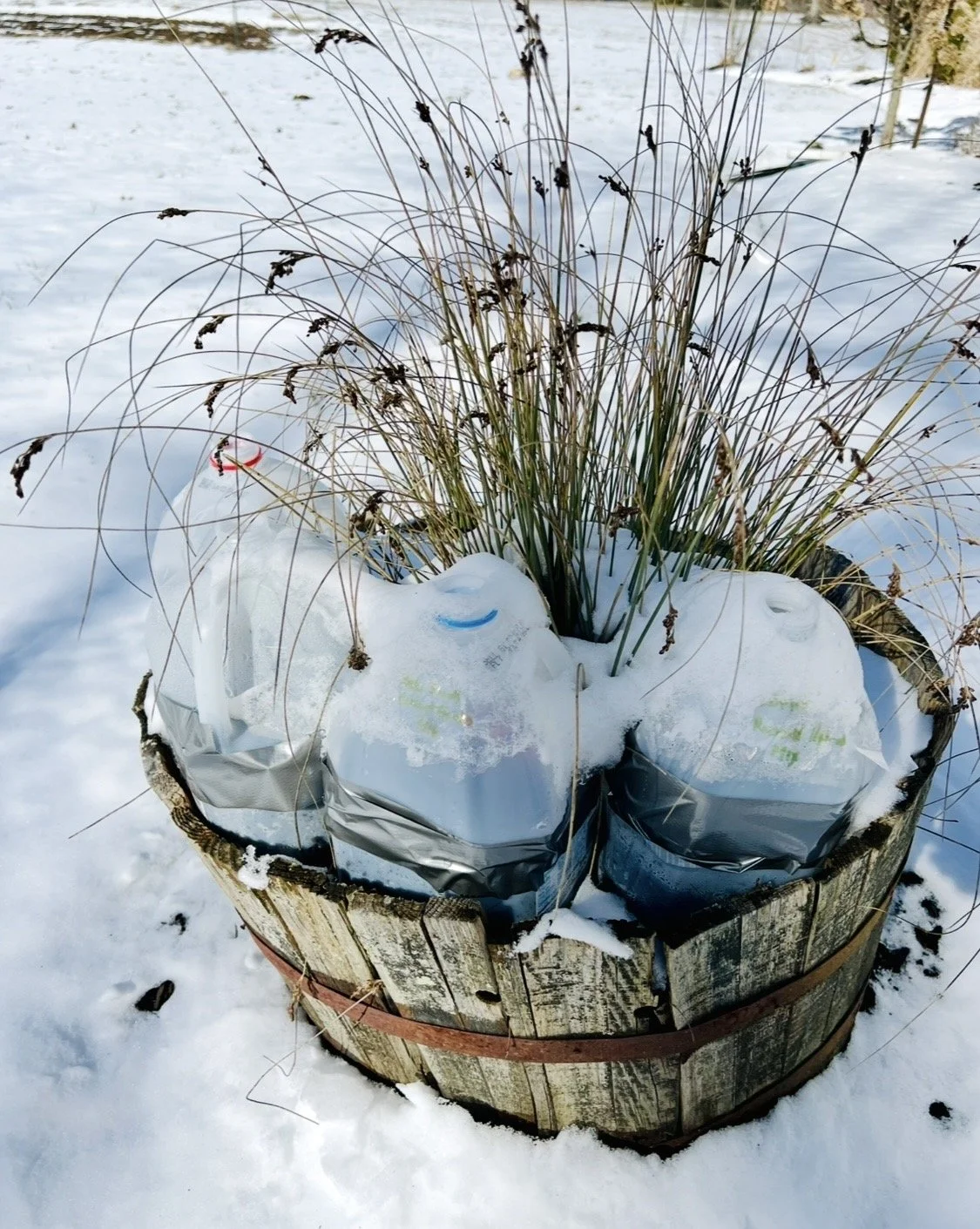
Winter Sowing Seeds outside in milk jugs in January